
If enacted, this bill would make school and home life impossible for many trans kids.
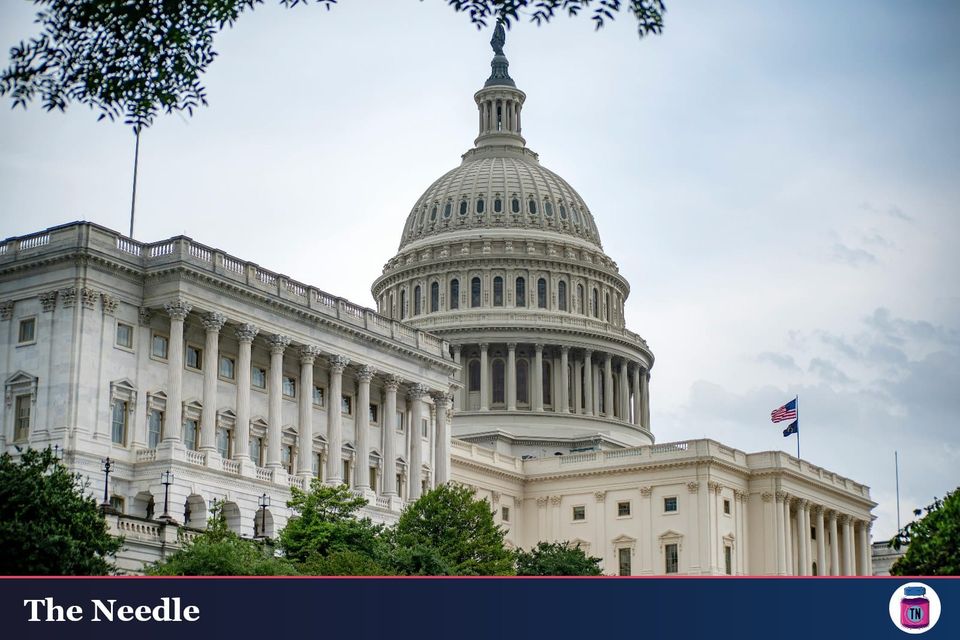
Yesterday, May 20, The United States House passed a bill requiring nearly all public K-12 schools to forcibly out trans students to their parents.
It would do this by requiring that students receive their parent’s permission before changing their “gender markers, pronouns, or preferred name on any school form; or sex-based accommodations, including locker rooms or bathrooms,” according to the text of the bill.
If enacted, this bill would make any form of social transition impossible without parental approval. Forced outing of trans kids is disastrous for their well being.
Join The Needle's mailing list:
According to GLAAD, queer youth experience homelessness at 2.2x the rate of cishet youth. Further, abuse and housing insecurity often start right after being outed, as many queer kids are “kicked out or leave after they come out to parents” with bigoted views.
Further, a report by the Trevor Project details how 40% of trans youth who experience housing insecurity– such as homelessness, were kicked out of their parents’ homes due to being queer, and 55% of these kids felt forced to run away from their home due to mistreatment by their parents with hateful views.
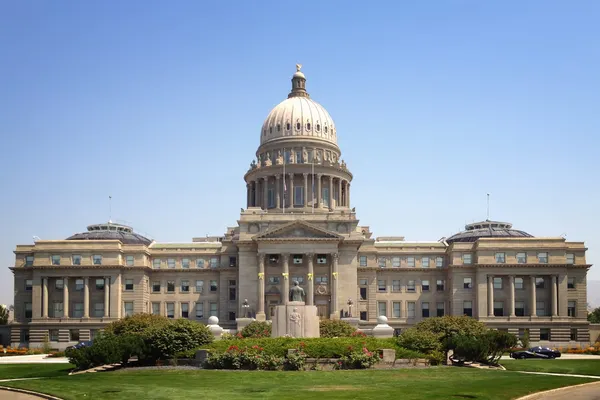
To see what this will look like at scale, you only need to see the forced outing policies that Idaho is currently implementing.
The bill would also prohibit schools from teaching what it calls “gender ideology”.
The lawmakers’ definition of “gender ideology” comes from Trump’s Executive Order on the topic. Therefore, in practice, this bill would mean that schools and educators would be banned from teaching about the existence of trans people.
The bill passed with the support of 8 House Democrats, voting alongside every Republican in the House. Many of these Democrats also voted for similar anti-trans bills last December, including two bans on trans youth healthcare.
The bill now heads for the Senate, where it has little chance of passing– assuming the Senate’s lack of support for anti-trans legislation remains.
This is the third major piece of anti-trans legislation to pass the House during this term. However, all previous anti-trans bills have stalled in the Senate.
Passing bills in the Senate requires the breaking of the filibuster, which requires 60 of the chamber’s 100 votes. Republicans there only have 53 seats, and Senate Democrats have proven less willing to vote against trans rights than their House colleagues.
As a result, it is unlikely that this bill will become law during this legislative term.
The interest by House Republicans in applying anti-trans restrictions which have already passed in some states to the whole country shows what their agenda will be if the ability to pass legislation without the Senate blocking it enters this administration’s playbook.
Attached is the contact information of every Democrat who voted for this bill:
Henry Cuellar
Don Davis
Cleo Fields
Laura Gillen
Vicente Gonzalez
Marcy Kaptur
Marie Gleusenkamp Perez
Eugene Vindman
If you’d like to tell your representative what you think of bills like this, you can find your representative here: