
United States fails to define gender as man and woman at United Nations
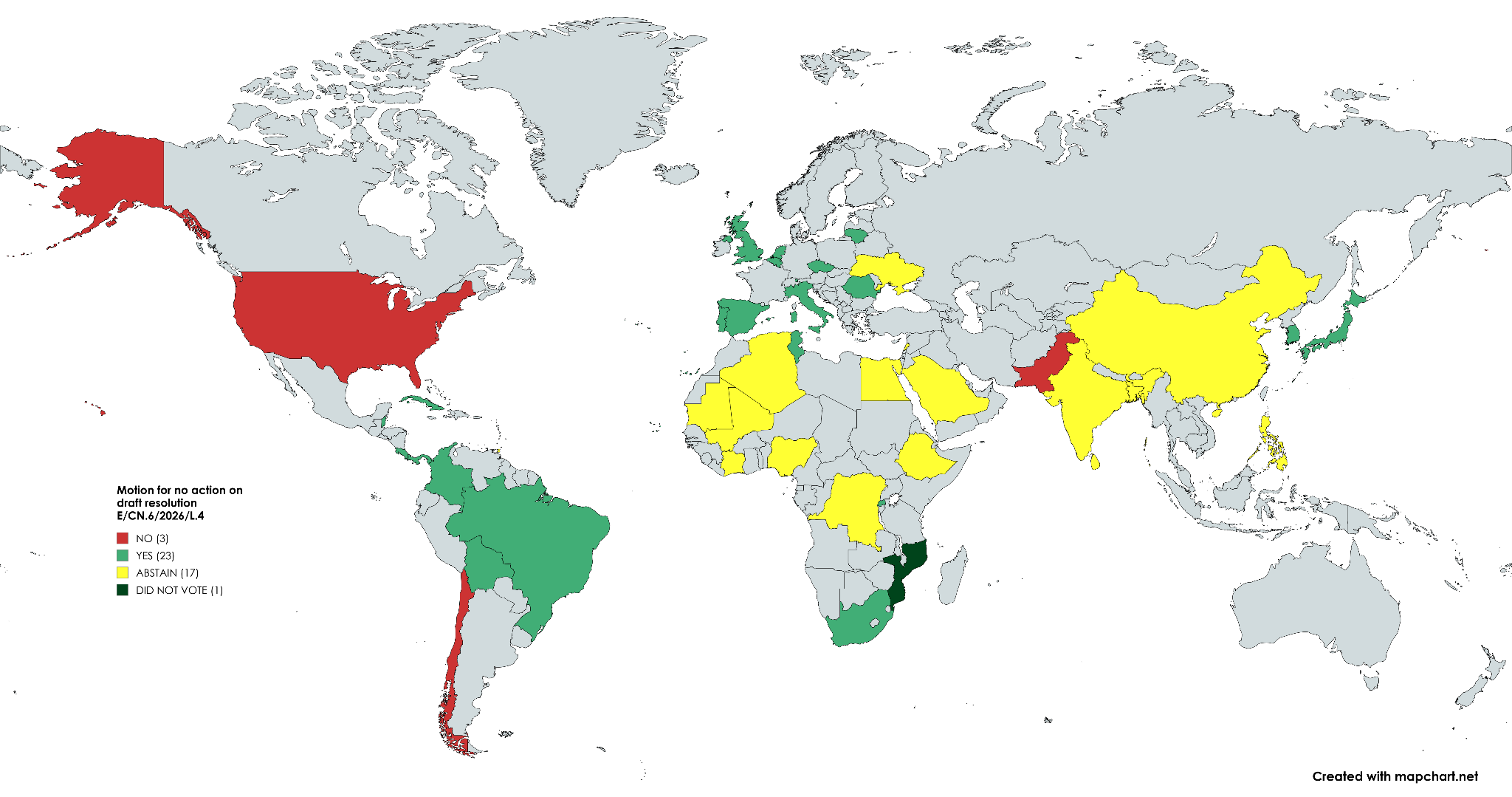
The resolution was defeated 23-3, with 17 countries abstaining and one not voting. The only countries who voted alongside the US were Pakistan and Chile.


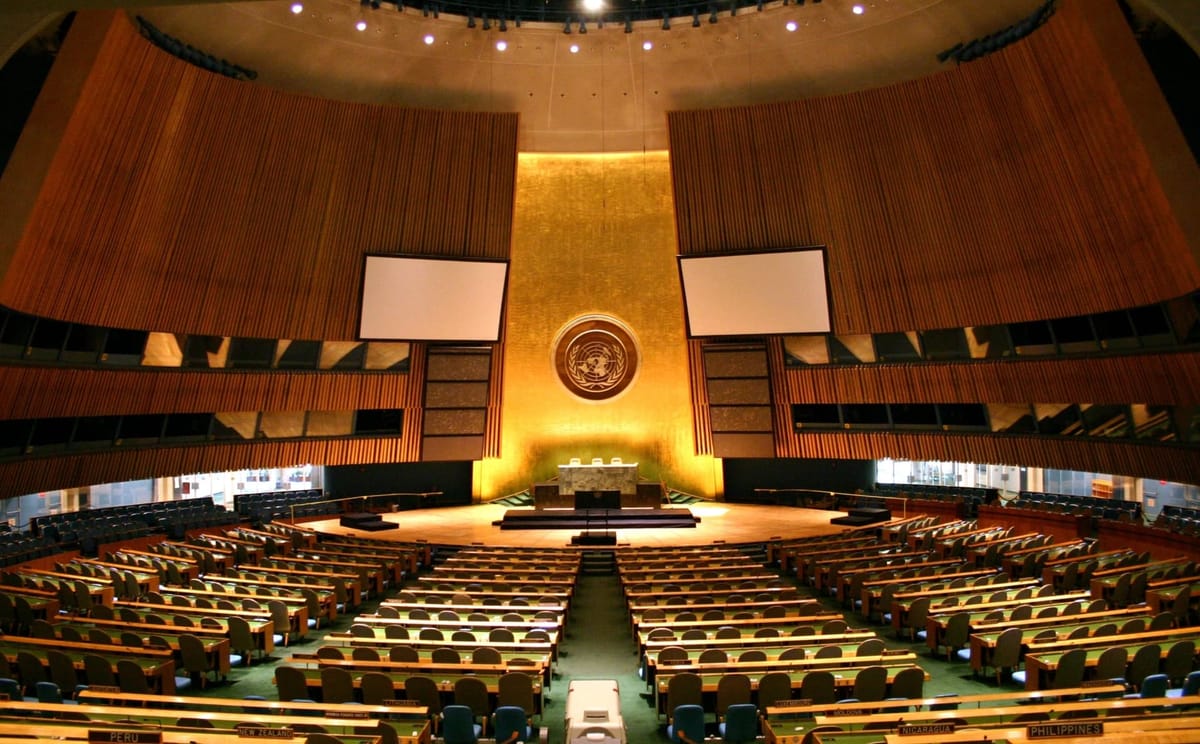
The US tried a new strategy to force in their restrictive definition at the last hour, but failed.
By Jane Migliara Brigham and Artemis T. Douglas
On March 19th, an attempt was made by the US to remake the international legal definition of gender in Trump’s image, which was repelled by the United Nations.
The United States failed to pass a resolution legally defining gender to mean exclusively men and women at the United Nations Commission on the Status of Women.
The motion came yesterday as a last minute addition to the end of the conference, where the United States delegation attempted to add the proposal to the last day of proceedings.
The amendment was based on the false premise that an unsigned and obscure annex to the 1995 Beijing Declaration, which mentions the definition of gender as being “understood in its ordinary, generally accepted usage”, has always meant exclusively men and women, and that the US amendment is expanding upon that fact.
This was shot down on a procedural vote, as even the delegates who agreed with this definition could realize that the document that the US delegation was interpreting never so much as alluded to a definition, and as a result, the argument was made on faulty premises.
The resolution was defeated 23-3, with 17 countries abstaining and one not voting. The only countries who voted alongside the US were Pakistan and Chile.
Maria Paula Perdomo of Outright International explains what this would have meant in practice:
“If this would have been adopted it would set a very concerning precedent that would erase the rights, protections and visibility for transgender, non-binary and gender-non conforming individuals at UN Summits and beyond. Furthermore, the definition proposed by the US will severely narrow the understanding of “gender” which contemplates power dynamics, stereotypes, social norms associated with how society interacts with an individual on the basis of their gender from a more structural perspective.”
The resolutions would have prevented UN organizations from considering any alternative definition of gender. As a result, it would have prevented any data collection that includes gender metrics besides men and women, and prevented advocacy for non-binary populations on the basis that they are non-binary.
According to the Feminist Cross-Coalition Statement on the matter, the US’s attempt to do this “illustrates a concerning strategy: to reintroduce contested interpretations through alternative procedural avenues. The fact that this effort reached the floor at all is, in itself, cause for concern.”
However, the Feminist Cross-Coalition Statement also opened with praise for the UN in turning this attempt down. It reads,
“We strongly applaud the decisive demonstration by Member States, civil society and feminist movements defending multilateralism and negotiated norms and standards to advance gender equality that took place during the close of the 70th session of the Commission on the Status of Women (CSW70).”
A breakdown of how every country voted can be found below:

If you support our coverage, consider subscribing to The Needle as a Platinum tier supporter, at $24 a month- you'll get access to all content AND credited as a supporter! For a limited time, you can get 60% off your first three months!
Members Discussion