Victoria Arellano had a gift with people. Her warm personality and ability to put people at ease had made her a vital resource at the drug and alcohol treatment facility she volunteered at, working with other people with HIV. When she was detained by Immigration and Customs Enforcment (ICE), she brought this gift with her.
In her time at the San Pedro detention center she worked hard to comfort others.
And when she fell ill, those she was imprisoned with worked hard to return the favor offering her water, saving and peeling oranges for her when she was too ill to eat, and keeping watch on her when she grew sicker. They requested that Victoria receive her medication which her mother had tried to deliver to the detention center and demanded that she be seen by a doctor when it became clear that she wasn’t getting better.
Victoria never received her medication, Daposone, an antibiotic that helped prevent pulmonary infection like pneumonia, a common complication of HIV. Nor was she given a similar medication like Bactrium or any other treatment for her illness. Instead, she had been given Tylenol and later the antibiotic Amoxicillin for an UTI.
Yet Victoria needed far more than Tylenol or Amoxicillin and as she grew sicker the other detainees held with her grew angrier at the neglect.
When others at the detention center rioted, shouting hospital hospital,” Victoria was not taken to a hospital. Instead she was brought to another room in the facility where she reported being mocked and humiliated. By the time an ICE guard moved her head with his foot and asked what was wrong with her she had begun both urinating and vomiting blood for days. By the time she was taken to Little Company of Mary Hospital, it was too late. Victoria would die of untreated meningitis that had, in the words of her lawyer, “advanced that it involved her brain, her liver, her lungs, her heart, and a couple of other organs” less than three months after entering ice detention. Her mother noted that she died minutes after ice removed the chains restraining her.
Victoria’s story may seem familiar to those following ice today even if her name does not. That’s because Victoria died in 2007, long before ICE developed their current reputation for medical neglect. Victoria was one of a disproportionate number of trans migrants to die in ICE detention before Operation Metro Surge.
Her death is also emblematic of how ICE treatment of trans people appears to herald future treatment of the general population. Maria Hinjosa makes a similar argument noting that it was Estrella, an undocumented trans woman, who was one of the first people ever taken from courtroom into ICE custody while she was seeking an order of protection from her abuser during the first Trump administration.
Over 60 people have died in ICE detention in the last year and hundreds have alleged medical neglect in ICE custody. Even more have been brought to hospitals with injuries inconsistent with the stories accompanying them like the man ICE argues ran into a wall headfirst.
Yet while the number of deaths has increased, Victoria’s case shows that medical neglect has long been apart of immigrant detention in the United States.
Recent coverage of the Folkston detention center where Luis Sandoval recently died notes that the DHS Office Of Inspector General found that conditions at FIPC “compromised the health, safety and rights of detainees” in 2022. Yet this neglect is only an intensification of the dehumanization and abuse that migrants have faced for years according to multiple lawsuits and allegations leveled against ice since its creation in 2003.
Between 2003 and 2007, when Victoria died, 71 people had died in the agency’s custody.
Of these cases, a number revolve around trans migrants like Johana Medea Leon and Raxhana Hernandez, who died from what their families considered medical neglect in ice detention. Medical neglect is only one of the issues facing trans migrants in ice detention with many facing discrimination and sexual assault in detention after fleeing from anti-trans violence in their home countries, according to a Human Rights Report published in 2015.
Isa Noyola at the Transgender Law Center estimates that many in detention do not disclose their status for this reason even if they may have valid asylum cases and may need legal representation.
“It is dangerous to disclose your trans identity [to ICE]. And for some people they have no choice, or like, they are outed.”
The Trump administration is no longer keeping statistics of the number of LGBT+ people detained making it harder for those detained to access legal services or for advocates to track discrimination or disparities in cases of abuse or neglect.
Kat Rohn at OutFront Minnestota which has been tracking the impacts of Operation Metro Surge argues that the huge upswing in violence seen during the surge builds on many years of dehumanization and abuse of trans and other migrants with trans women of color like Victoria Arellano bearing the brunt of the violence. She finds the lack of statistics particularly troubling,
“Both the level of care has decreased dramatically, and the scrutiny over that from any sort of external parties, whether those are lawyers, whether those are advocacy organizations, whether those are you know any other groups that are having oversight over these spaces, has declined precipitously.”
“And I think my largest concern in the current moment is that what we don't know is the real danger here. We know that people are being neglected and harmed in these facilities. We know that trans people, particularly trans women, have died in ICE facilities in the past because of this neglect, and we are deeply concerned that these same conditions are present and potentially even worse than they were during the sort of height of those very public recorded deaths during the last iteration of this administration.”
Yet, if Victoria’s case highlights the impacts of policies of disposability it also highlights its opposite. Namely, the humanity and the determination of the 80 men housed with Victoria that July in 2007. In the months following Victoria’s death, two other immigrants, Rosa Isela Contreras-Dominguez who was seven months pregnant at the time of her death and Edmar Alves Araujo, would die and calls to reform the then new immigration system would rise. Those reforms, on the whole, would not be put in place and even when they were, like when then-President Obama established more trans inclusive intakes for trans detainees advocates like Isa Noyola argues that they missed the point.
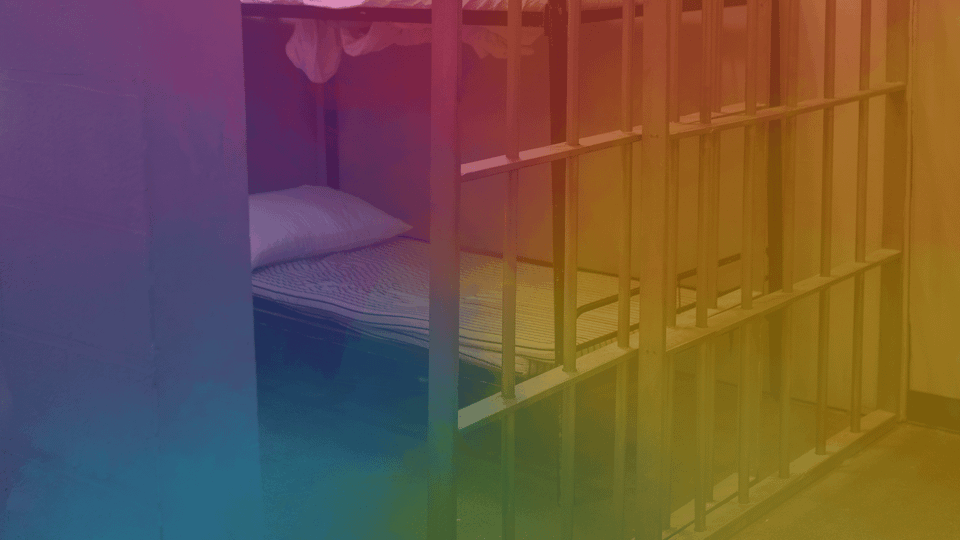
“We don’t want rainbow colored cages.”